
I keep this glossy homemade balsamic glaze in my fridge because it makes roasted veggies, salads, chicken, and salmon feel instantly special. Sweet, tangy, and made without sugar, it is the simple drizzle that steals the show.
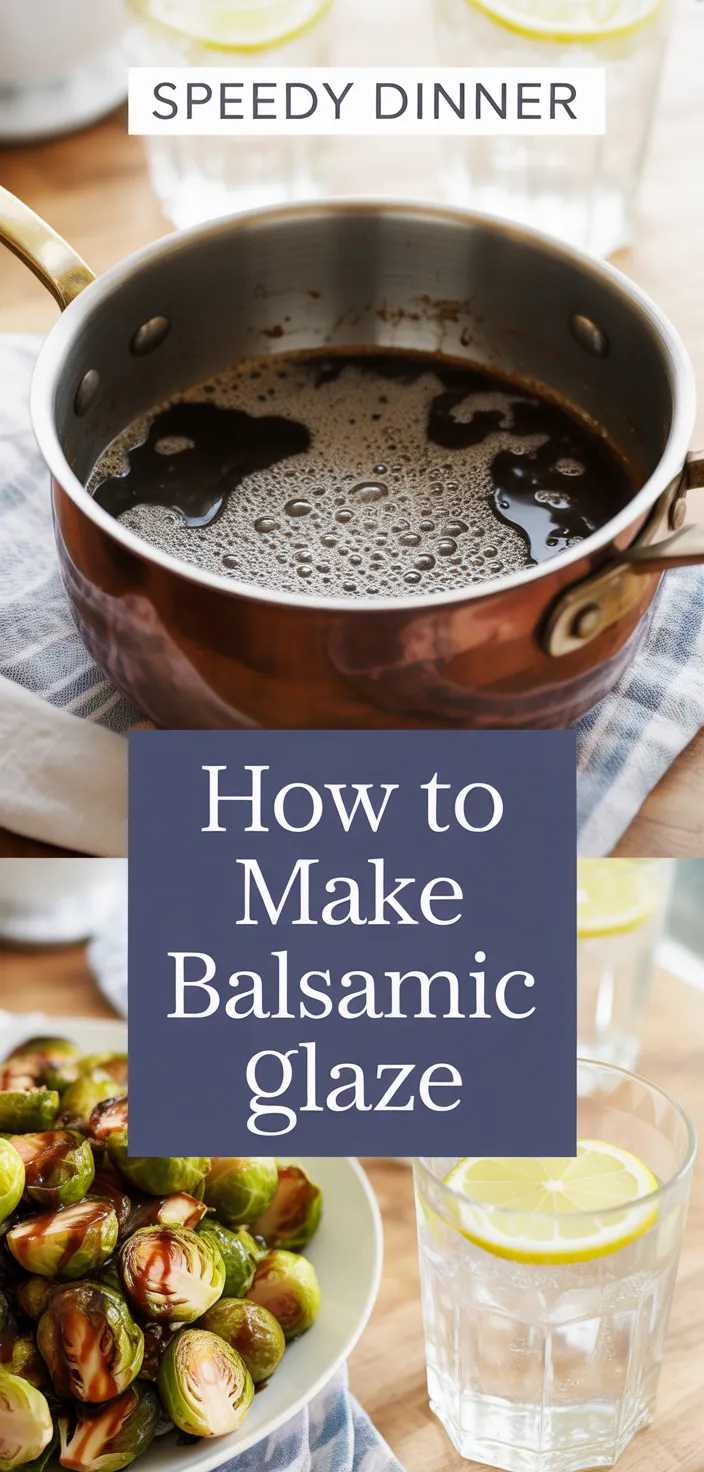
I’m obsessed with balsamic glaze because it turns sharp balsamic vinegar into this glossy, tangy-sweet drizzle I want on everything. Brussels sprouts, roasted carrots, salads, chicken, salmon, even a random hunk of bread straight from the cutting board.
I love how it hits first with bite, then gets rich and syrupy without tasting fake or candy-sweet. If I want a little extra sweetness, I’ll use honey, but honestly, the vinegar does most of the heavy lifting.
And that shine? Ridiculous.
But the flavor is the reason I keep a jar around. Big flavor.
Tiny effort. No boring bites here, ever.
Ingredients
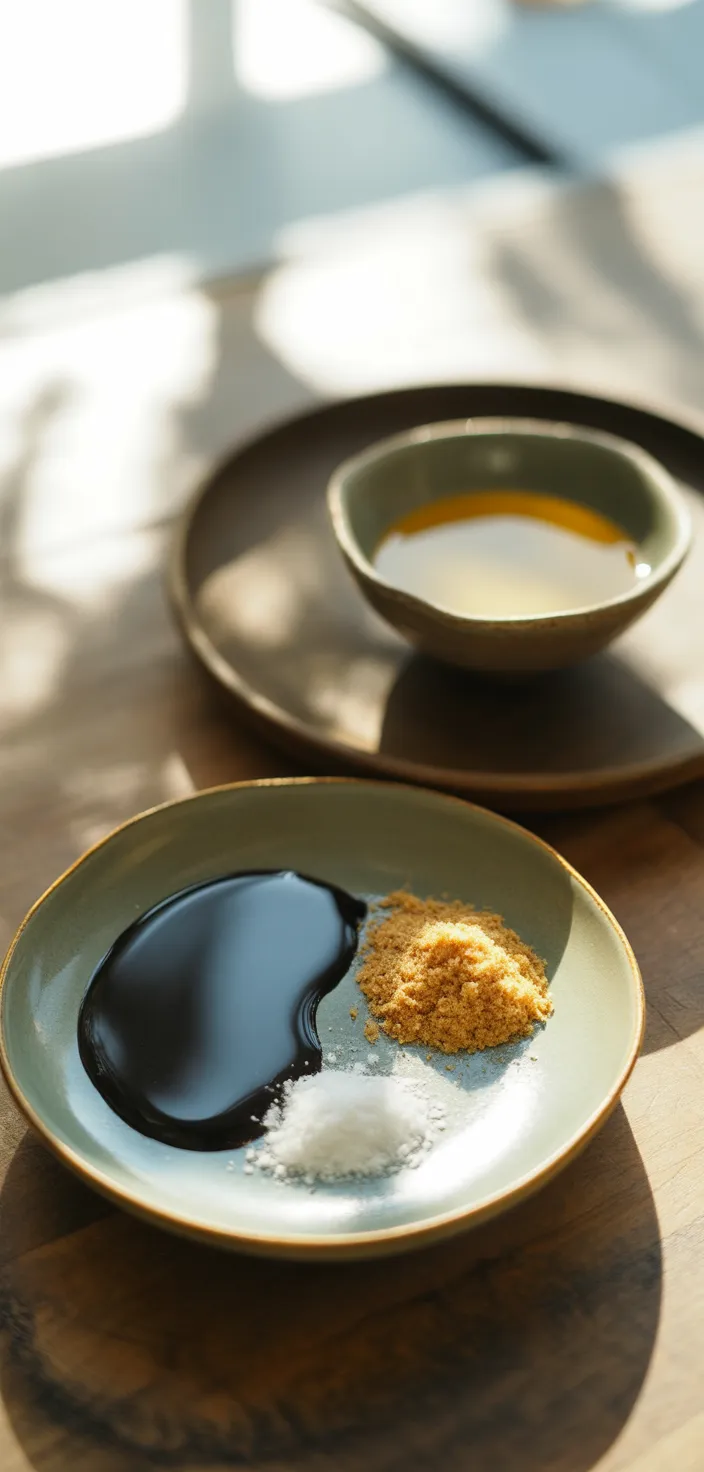
- Balsamic vinegar brings the tangy backbone, rich, sharp, and a little fancy-feeling.
- Use the good stuff if you can, it’ll taste smoother and less harsh.
- Brown sugar adds cozy sweetness, making the glaze taste rounder and deeper.
- Honey gives it a soft, floral sweetness that feels super homemade.
- Maple syrup adds warmth, almost like a fall-ish twist without trying too hard.
- Salt keeps things balanced, so the glaze doesn’t taste flat or too sweet.
- Cornstarch slurry helps thicken fast, especially if you’re impatient like me.
- Basically, you’re aiming for glossy, pourable, and sticky in the best way.
- Plus, it makes tomatoes, chicken, veggies, and cheese taste instantly better.
Ingredient Quantities
- 1 cup balsamic vinegar (good quality, aged if possible)
- 1 to 2 tablespoons brown sugar or 1 to 2 tablespoons honey or maple syrup (optional, for extra sweetness)
- Pinch of salt (optional, to balance flavor)
- 1 teaspoon cornstarch mixed with 1 tablespoon cold water (optional, for a thicker glaze)
How to Make this
1. Pour 1 cup balsamic vinegar into a small to medium saucepan.
2. Add 1 to 2 tablespoons brown sugar or 1 to 2 tablespoons honey or maple syrup if you want extra sweetness.
3. Add a pinch of salt if using to balance the flavor.
4. Bring the mixture to a gentle boil over medium heat, stirring to dissolve the sweetener.
5. Reduce heat to low so the vinegar simmers gently, not a rolling boil.
6. Simmer, stirring occasionally, until the liquid has reduced by about half and coats the back of a spoon, usually 12 to 20 minutes depending on heat and pan size.
7. If you want a thicker, glossy glaze, whisk 1 teaspoon cornstarch with 1 tablespoon cold water until smooth, then stir it into the simmering glaze and cook 1 to 2 more minutes until thickened.
8. Remove the saucepan from heat and let the glaze cool; it will thicken further as it cools.
9. Transfer the balsamic glaze to a clean jar or squeeze bottle and store in the refrigerator for up to 2 weeks.
10. Rewarm gently before using if it becomes very stiff in the fridge, then drizzle over vegetables, salads, chicken, or salmon.
Equipment Needed
1. Small to medium saucepan
2. Measuring cup (1 cup)
3. Measuring spoons (tablespoons and teaspoon)
4. Wooden spoon or silicone spatula for stirring
5. Small bowl or ramekin for whisking the cornstarch slurry
6. Whisk or small fork to dissolve the slurry
7. Clean jar or squeeze bottle for storage
8. Stove or other heat source and oven mitts or pot holder
FAQ
How To Make Balsamic Glaze Recipe Substitutions and Variations
How To Make Balsamic Glaze
A glossy, tangy-sweet balsamic glaze is the easiest way to elevate salads, roasted vegetables, cheeses and grilled meats. It takes minutes and stores well.
Ingredients
- 1 cup balsamic vinegar (good quality, aged if possible)
- 1 to 2 tablespoons brown sugar or 1 to 2 tablespoons honey or maple syrup (optional, for extra sweetness)
- Pinch of salt (optional, to balance flavor)
- 1 teaspoon cornstarch mixed with 1 tablespoon cold water (optional, for a thicker glaze)
Instructions
1. Pour the balsamic vinegar into a small saucepan and add your chosen sweetener and a pinch of salt if using.
2. Bring to a gentle simmer over medium-low heat. Reduce heat to low and simmer uncovered, stirring occasionally, until the vinegar reduces by about half and coats the back of a spoon. This usually takes 10 to 15 minutes depending on heat and pan size.
3. If you want a silkier, slightly thicker glaze, whisk the cornstarch mixture briefly and stir it into the simmering vinegar. Cook 1 to 2 more minutes until glossy and thickened.
4. Remove from heat and let cool slightly. The glaze will thicken more as it cools. Taste and adjust sweetness or salt.
5. Transfer to a jar and store in the refrigerator for up to 2 weeks. Rewarm gently before using if it becomes too firm.
Substitutions
- Balsamic vinegar: substitute aged red wine vinegar mixed with a touch of brown sugar for deeper flavor, or use a lighter white balsamic for a milder, fruitier glaze
- Brown sugar: substitute honey or maple syrup for natural sweetness and different flavor notes
- Salt: substitute a small splash of soy sauce or tamari to add umami if you prefer not to use salt
- Cornstarch slurry: substitute 1 teaspoon arrowroot powder mixed with cold water for a clearer, gluten-free thickener
Pro Tips
– Use a wide, shallow pan rather than a tall narrow one. More surface area speeds evaporation so the vinegar reduces faster and you get a glossy glaze without overcooking.
– Keep the heat low once it reaches a simmer and watch it closely near the end. Balsamic can go from perfectly syrupy to too thick or slightly burnt in a minute, so stir more often in the final few minutes.
– Taste as you go. If your balsamic is very sharp, a little extra honey or a tiny pat of butter at the end will round the flavor and give silkiness without masking the vinegar character.
– If you plan to store the glaze, cool it completely before sealing and label the jar with the date. Reheat gently in a warm water bath or microwave in short bursts to liquefy without thinning out the flavor.
How To Make Balsamic Glaze Recipe
I keep this glossy homemade balsamic glaze in my fridge because it makes roasted veggies, salads, chicken, and salmon feel instantly special. Sweet, tangy, and made without sugar, it is the simple drizzle that steals the show.
8
servings
35
kcal
Equipment: 1. Small to medium saucepan
2. Measuring cup (1 cup)
3. Measuring spoons (tablespoons and teaspoon)
4. Wooden spoon or silicone spatula for stirring
5. Small bowl or ramekin for whisking the cornstarch slurry
6. Whisk or small fork to dissolve the slurry
7. Clean jar or squeeze bottle for storage
8. Stove or other heat source and oven mitts or pot holder
Ingredients
1 cup balsamic vinegar (good quality, aged if possible)
1 to 2 tablespoons brown sugar or 1 to 2 tablespoons honey or maple syrup (optional, for extra sweetness)
Pinch of salt (optional, to balance flavor)
1 teaspoon cornstarch mixed with 1 tablespoon cold water (optional, for a thicker glaze)
Directions
- Pour 1 cup balsamic vinegar into a small to medium saucepan.
- Add 1 to 2 tablespoons brown sugar or 1 to 2 tablespoons honey or maple syrup if you want extra sweetness.
- Add a pinch of salt if using to balance the flavor.
- Bring the mixture to a gentle boil over medium heat, stirring to dissolve the sweetener.
- Reduce heat to low so the vinegar simmers gently, not a rolling boil.
- Simmer, stirring occasionally, until the liquid has reduced by about half and coats the back of a spoon, usually 12 to 20 minutes depending on heat and pan size.
- If you want a thicker, glossy glaze, whisk 1 teaspoon cornstarch with 1 tablespoon cold water until smooth, then stir it into the simmering glaze and cook 1 to 2 more minutes until thickened.
- Remove the saucepan from heat and let the glaze cool; it will thicken further as it cools.
- Transfer the balsamic glaze to a clean jar or squeeze bottle and store in the refrigerator for up to 2 weeks.
- Rewarm gently before using if it becomes very stiff in the fridge, then drizzle over vegetables, salads, chicken, or salmon.
Notes
- Below you’ll find my best estimate of this recipe’s nutrition facts. Treat the numbers as a guide rather than a rule—great food should nourish both body and spirit. Figures are approximate, and the website owner assumes no liability for any inaccuracies in this recipe.
Nutrition Facts
- Serving Size: 34g
- Total number of serves: 8
- Calories: 35kcal
- Fat: 0g
- Saturated Fat: 0g
- Trans Fat: 0g
- Polyunsaturated: 0g
- Monounsaturated: 0g
- Cholesterol: 0mg
- Sodium: 5mg
- Potassium: 30mg
- Carbohydrates: 7.9g
- Fiber: 0g
- Sugar: 7.6g
- Protein: 0g
- Vitamin A: 0IU
- Vitamin C: 0mg
- Calcium: 11mg
- Iron: 0.15mg